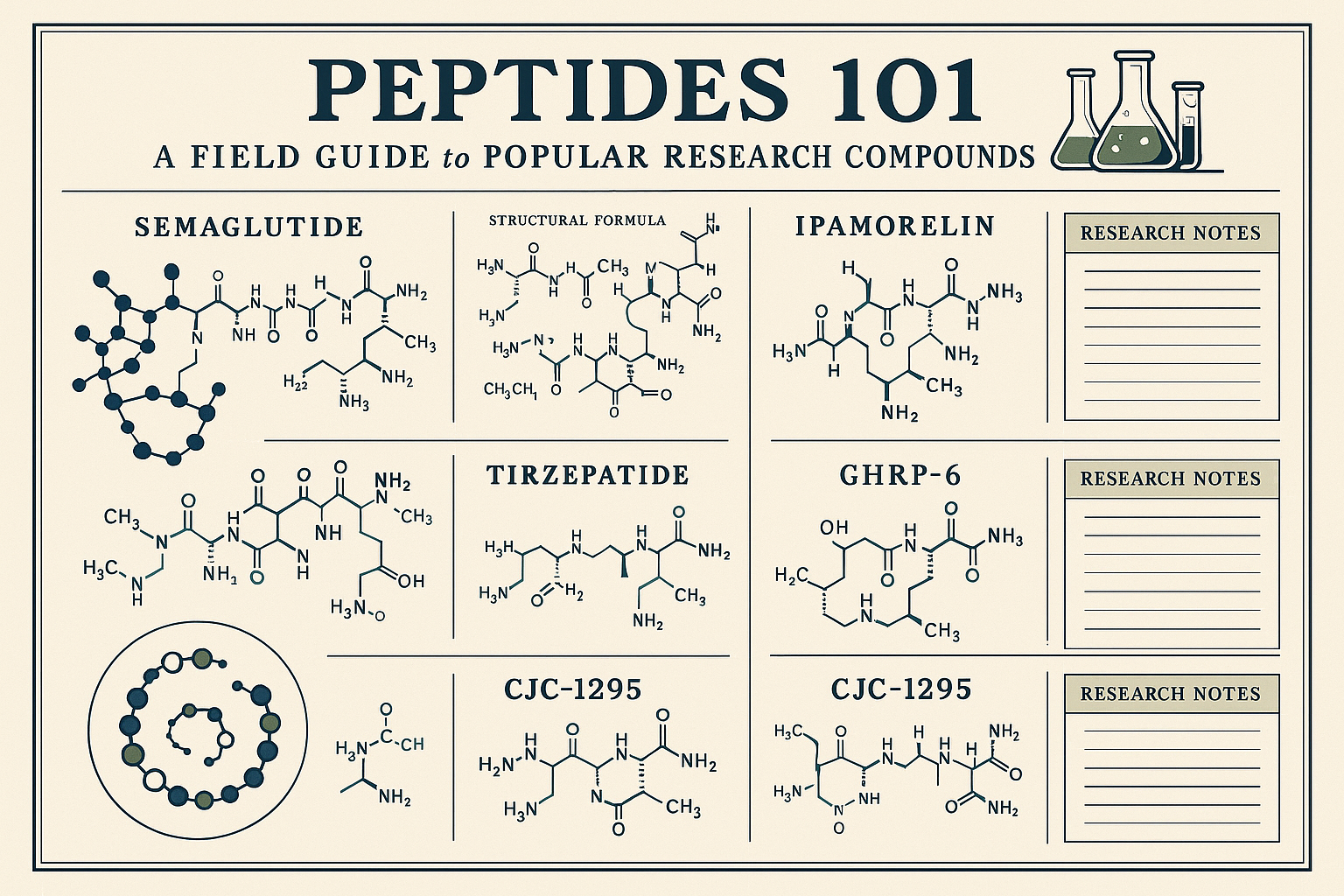
Peptide Testing: Hplc & Mass Specification Purity Overview Pinnacle
Peptide High Quality: Value Of Third-party Recognition
It is one factor appropriate peptide storage and reconstitution practices matter. Partial peptide fragments can result from incomplete synthesis or post-synthesis degradation. These pieces are generally smaller sized than the target peptide and might elute at various retention times.For researchers, obtaining confirmed peptides isn't simply a formality-- it's the structure of dependable experiments and research study reproducibility. Poor-quality peptides (those with undetected contaminations, wrong sequences, or broken down elements) can cause misleading information and irreproducible results. In fact, proteins and peptides are amongst one of the most extensively made use of laboratory reagents, yet research studies have actually revealed that their top quality is typically insufficient, causing inadequate data reproducibility. Starting with proper research laboratory recognition is for that reason a vital part of a researcher's quality control operations.
How To Check Out A Peptide Pureness Test: Hplc, Mass Spectrometry And Coa Analysis For Uk Scientists (
- Peptide pureness testing is the procedure of validating that a peptide sample consists of just the intended series-- and no substantial contaminants or byproducts from synthesis.
- This front-end evaluation decreases rework and enhances the possibility that the first logical pass will certainly already be decision-useful.
- Identification screening asks whether the gauged mass or sequence-related evidence matches the designated peptide.
- You can often examine if a laboratory is approved via its website or documentation; certification ensures the lab's protocols and results are held to global criteria.
- Particularly customized peptides or cyclic peptide series are tough to confirm, which impacts quality assurance.
The dissolved peptide sample is infused right into a stream of fluid solvent (the mobile phase) that streams with a tube packed with tiny fragments (the stationary stage). Different particles "stick" to those fragments with different strengths, so they take a trip with the column at different speeds. Subtle differences in basic material pureness and framework can cause inconsistencies in the activity of the end product.
Applications Of Our Expert Peptide Testing Solutions
The injector presents an accurate quantity of sample right into the mobile-phase stream. Consistent shot quantity matters because overloading the column can widen tops, misshape pureness price quotes, or conceal close-by pollutants. A solid peptide screening workflow makes use of approaches that address corresponding concerns. The table below is the functional means to think of typical tests when reviewing a peptide COA.
The most stringent grade, including mindful HPLC purification-- often multiple rounds-- and rigorous QC. Needed for quantitative research studies, structural biology, in vivo research designs, and any application where also percentages of pollutant could impact results. This is the quality where the cost increases most greatly, because accomplishing that last 1-- 3% of pureness calls for throwing out a significant fraction of the manufactured product. A removal peptide missing out on a solitary residue may still bind to the same receptor, but with various affinity or selectivity. In concentration-response experiments, these Peptide Works guaranteed purity peptides contaminants can change contours, squash plateaus, or introduce biphasic actions that obscures the true activity of the target substance. The isoelectric point (specialty) is a critical parameter for understanding peptide solubility and habits in different atmospheres.